Guides


How to Choose the Perfect Bathroom Vanity for Your Space
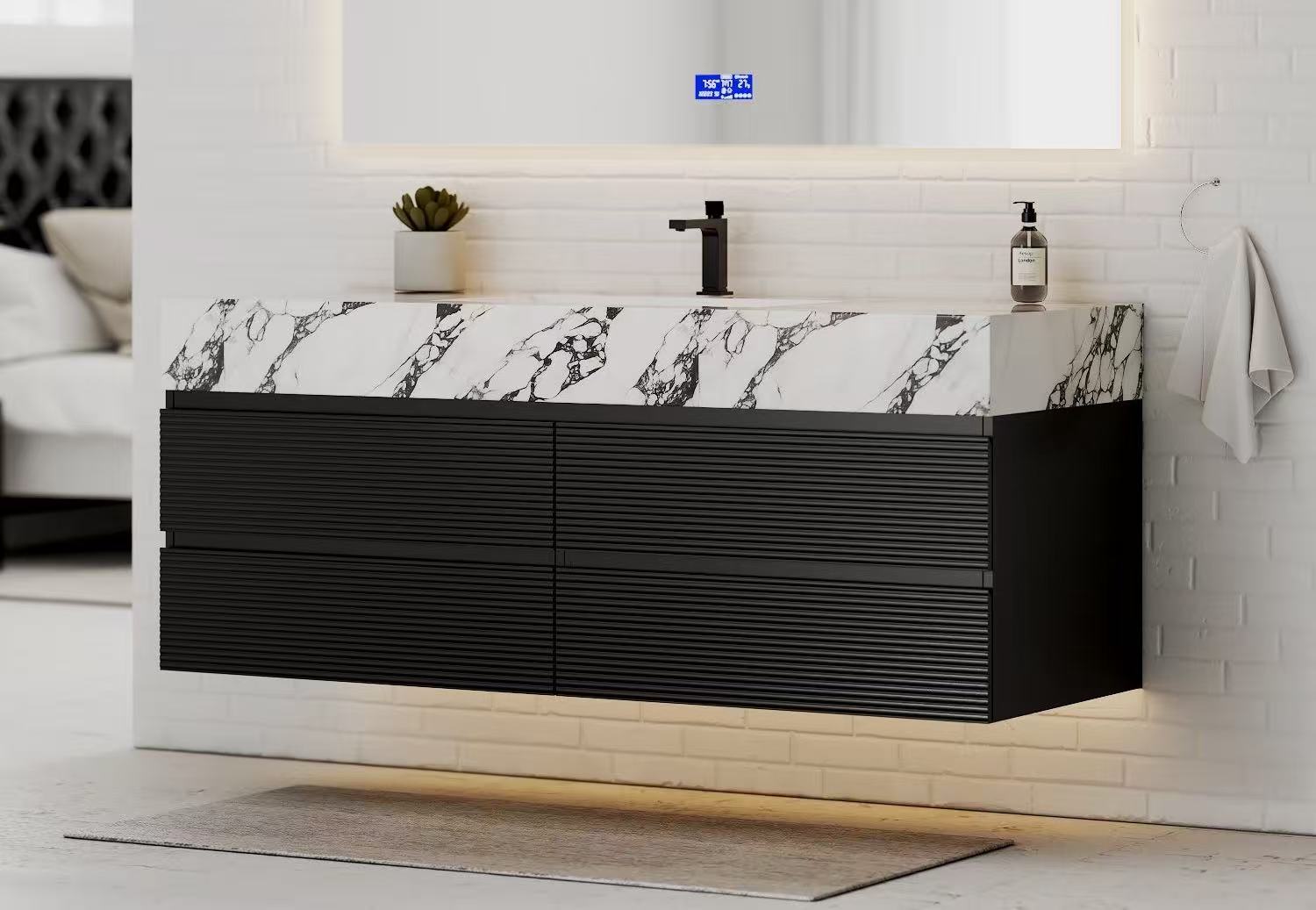
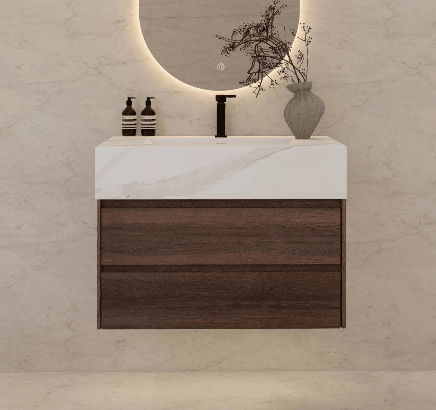
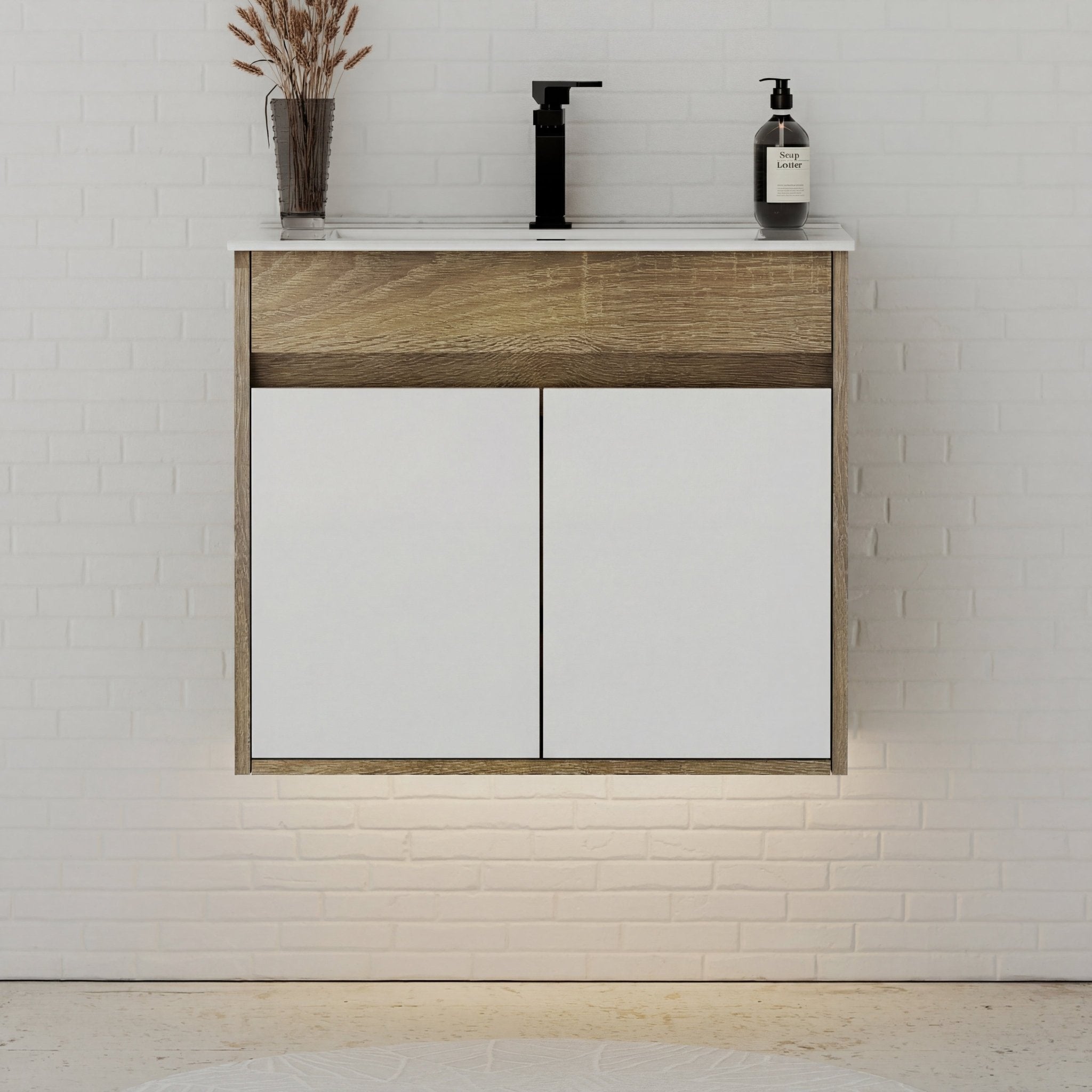
Introduction: Why Choosing the Right Bathroom Vanity Matters When it comes to bathroom renovations, the vanity is often the centerpiece that sets the tone for the entire space. It's not just a functional element where you brush your teeth and wash your hands—it's a design statement that can transform your bathroom from ordinary to extraordinary. Whether you're renovating your entire bathroom or simply upgrading your fixtures, selecting the perfect bathroom vanity is one of the most important decisions you'll make. The right vanity can enhance your daily routine, provide essential storage, and create a cohesive design that ties your bathroom together. On the other hand, choosing the wrong vanity can lead to regret, wasted money, and a bathroom that doesn't function as well as it could. That's why taking the time to understand your needs, measure your space, and explore your options is absolutely worth the effort. In this comprehensive guide, we'll walk you through everything you need to know about choosing the perfect bathroom vanity for your space. From measuring your bathroom to selecting materials, styles, and sizes, we'll cover all the essential factors that will help you make an informed decision. Whether you're looking for a modern bathroom vanity in Toronto, a floating bathroom vanity, or a traditional freestanding option, this guide will help you navigate the selection process with confidence. Measure Your Bathroom Space Before you start shopping for a bathroom vanity, the first and most crucial step is to measure your bathroom space accurately. Many people skip this step or do it hastily, which often leads to purchasing a vanity that doesn't fit properly or doesn't work with their existing layout. Taking time to measure correctly will save you from costly mistakes and ensure that your new vanity fits perfectly in your bathroom. Measure the Available Width, Depth, and Height Start by measuring the wall where you plan to install your vanity. Use a tape measure to determine the available width—this is the horizontal space where your vanity will sit. Measure from one end of the wall to the other, accounting for any fixtures like windows, doors, or existing plumbing that might limit your options. Next, measure the depth of your bathroom. This is important because you need to ensure that your vanity won't stick out too far into the room and create a traffic hazard. Standard vanities typically have a depth of 18 to 24 inches, but it's important to verify that this depth will work with your bathroom layout. Finally, measure the height of the wall where you'll install your vanity. While most vanities are a standard height of 30 to 36 inches, knowing your wall height will help you determine if you have room for a mirror, lighting fixtures, or shelving above the vanity. Check Door, Shower, and Toilet Clearance When measuring your bathroom, don't just focus on the vanity wall. You also need to consider how your new vanity will affect the overall flow and functionality of your bathroom. Check the clearance around your bathroom door to ensure that your vanity won't interfere with the door's swing. If your vanity is too close to the door, it could make opening and closing the door difficult or impossible. Similarly, if you have a shower or bathtub near your vanity, measure the clearance between them. You want to ensure that there's enough space to move comfortably between these fixtures without feeling cramped. A good rule of thumb is to have at least 12 inches of clearance between your vanity and other fixtures. Also, check the location of your toilet relative to where your vanity will be. You'll want to ensure that your vanity doesn't encroach on the space needed for comfortable toilet use. Building codes typically require at least 15 inches of clearance on either side of a toilet, so keep this in mind when planning your vanity placement. Consider Plumbing Locations One of the most important things to check when measuring your bathroom is the location of your existing plumbing. The drain and water supply lines for your current sink will determine where your new vanity can be placed. If you want to use the existing plumbing, your new vanity needs to align with these connections. Measure the distance from the wall to the center of your current drain. Also note the height at which the water supply lines enter the wall. This information will be crucial when you're selecting a new vanity, as you'll need to ensure that the sink opening and plumbing connections align with your existing lines. If you're willing to relocate your plumbing, you have more flexibility in where you can place your vanity. However, this will add to the cost and complexity of your project, so it's worth considering whether using the existing plumbing location is feasible for your design goals. Choose the Right Vanity Size Once you've measured your bathroom space, the next step is to choose the right vanity size. Bathroom vanities come in a wide range of sizes, and selecting the appropriate size for your space is essential for both functionality and aesthetics. 24–32 Inch Vanities for Powder Rooms and Small Bathrooms If you have a small bathroom, powder room, or guest bathroom, a 24 to 32 inch vanity might be the perfect choice. These compact vanities are ideal for spaces where you don't have a lot of room to work with. A 30 inch bathroom vanity is a popular choice in this size range, offering a good balance between functionality and space efficiency. These smaller vanities typically feature a single sink and limited storage, making them ideal for bathrooms that don't need to accommodate multiple users or extensive storage needs. They're also a great option if you're working with a tight budget, as smaller vanities are generally less expensive than their larger counterparts. When choosing a 24 to 32 inch vanity, make sure you're not sacrificing too much functionality for the sake of saving space. You still want enough counter space to comfortably use the sink and enough storage for your daily essentials. 36–48 Inch Vanities for Standard Bathrooms For most standard bathrooms, a 36 to 48 inch vanity is the ideal choice. A 36 inch bathroom vanity is one of the most popular sizes on the market, offering a good balance of functionality, storage, and aesthetics. A 48 inch bathroom vanity provides even more counter space and storage, making it a great option if you have a bit more room to work with. These mid-sized vanities typically feature either a single large sink or two smaller sinks, depending on the specific model. They offer plenty of counter space for daily use and usually include multiple drawers and cabinet doors for storage. If you have a master bathroom or a bathroom that's used by multiple people, a vanity in this size range is likely to meet your needs perfectly. 60–72 Inch Vanities for Larger or Double-Sink Bathrooms If you have a larger bathroom or you want to install a double-sink vanity, a 60 to 72 inch vanity is an excellent choice. A 60 inch bathroom vanity provides ample space for two sinks and significant counter space, making it ideal for master bathrooms or bathrooms shared by multiple people. These larger vanities offer substantial storage with multiple drawers and cabinet doors, making them perfect if you have a lot of bathroom essentials to store. They also make a bold design statement and can serve as a focal point in your bathroom. If you have the space and the budget, a larger vanity can significantly enhance the functionality and luxury of your bathroom. Freestanding vs. Floating Bathroom Vanities When selecting a bathroom vanity, one of the key decisions you'll need to make is whether to choose a freestanding vanity or a wall-mounted floating vanity. Each option has its own advantages and disadvantages, and the best choice for you will depend on your specific needs, bathroom layout, and design preferences. Benefits of Freestanding Vanities Freestanding vanities are the traditional choice and remain popular for good reason. These vanities sit on the floor and are supported by legs or a base, making them a stable and durable option. One of the biggest advantages of freestanding vanities is that they're generally easier and less expensive to install than floating vanities. You don't need to worry about wall support or complex mounting hardware—simply place the vanity in position and connect the plumbing. Freestanding vanities also offer excellent stability, which is important if you have children or if you tend to put a lot of weight on your vanity counter. They're also easier to repair or replace if something goes wrong, as you don't need to worry about wall damage or complex removal processes. Another advantage of freestanding vanities is that they come in a wider variety of styles and designs. Because they don't require special wall mounting hardware, manufacturers have more freedom in their design choices, which means you'll find more options to match your personal style and bathroom décor. Benefits of Wall-Mounted Floating Vanities Floating vanities, also known as wall-mounted vanities, are mounted directly to the wall without any visible support legs. These modern bathroom vanities have become increasingly popular in recent years, and for good reason. One of the biggest advantages of floating vanities is the visual appeal they create. By eliminating the legs and base, floating vanities create a clean, minimalist look that makes your bathroom feel more spacious and contemporary. Floating vanities also make cleaning your bathroom floor much easier. Without legs or a base taking up space, you can easily sweep and mop under and around your vanity without any obstructions. This is particularly beneficial if you have a small bathroom where floor space is at a premium. Another advantage of floating vanities is that they can make your bathroom feel more open and airy. The space underneath the vanity creates visual lightness, which can make even a small bathroom feel larger and more inviting. Which Option Works Best for Different Bathrooms The choice between a freestanding and floating vanity ultimately depends on your specific bathroom, your design preferences, and your budget. If you have a traditional or classic bathroom design, a freestanding vanity might be the better choice. These vanities complement traditional décor and are often easier to install and maintain. If you prefer a modern, minimalist aesthetic, a floating vanity is likely the better option. These vanities work particularly well in contemporary bathrooms and can help create a sleek, sophisticated look. They're also ideal if you have a small bathroom and want to maximize the sense of space. Consider your bathroom's structural integrity as well. Floating vanities require solid wall support, typically from wall studs or additional reinforcement. If your bathroom walls aren't strong enough to support a floating vanity, a freestanding option might be your only choice. However, if your walls are suitable and you love the modern look of floating vanities, the installation of proper support is well worth the effort. Select the Right Cabinet Material The material of your vanity cabinet is crucial for durability, moisture resistance, and longevity. Bathrooms are humid environments with constant exposure to water and moisture, so choosing a material that can withstand these conditions is essential. Engineered Wood Engineered wood is a popular choice for bathroom vanities because it offers a good balance of affordability, durability, and aesthetics. Engineered wood is made from wood veneers glued to a core of plywood or particleboard. It's more stable than solid wood and less prone to warping or swelling due to moisture exposure. One of the advantages of engineered wood is that it comes in a wide variety of finishes and styles, allowing you to achieve the look you want at a reasonable price. Engineered wood vanities are also lighter than solid wood, making them easier to install and transport. However, engineered wood is not as durable as solid wood or plywood, and it can be susceptible to water damage if the finish is compromised. If you choose an engineered wood vanity, make sure it has a high-quality, water-resistant finish to protect it from moisture damage. Plywood Plywood is another excellent choice for bathroom vanity cabinets. Plywood is made from thin layers of wood glued together, creating a strong, stable material that's more resistant to warping and swelling than solid wood. Plywood vanities are durable and can withstand the humid bathroom environment better than engineered wood. Plywood is also more affordable than solid wood, making it a cost-effective option for those on a budget. However, plywood vanities typically require a veneer or finish to achieve an attractive appearance, and the quality of this finish is crucial for protecting the plywood from moisture damage. Moisture Resistance and Durability Regardless of which material you choose, moisture resistance is paramount. Look for vanities with high-quality, water-resistant finishes that will protect the cabinet material from moisture damage. Many quality vanities feature moisture-resistant coatings or sealants that help prevent water from penetrating the cabinet material. Also consider the hardware and hinges on your vanity. These components should be made from materials that won't rust or corrode in the humid bathroom environment. Stainless steel or powder-coated hardware is ideal for bathroom applications. If you're investing in a quality vanity, it's worth spending a bit extra on superior moisture-resistant materials and finishes. This investment will pay off in the long run, as your vanity will last longer and maintain its appearance better over time. Decide How Much Storage You Need Storage is one of the most important functions of a bathroom vanity. Before you select a vanity, think carefully about how much storage you need and what you'll be storing in it. Drawers vs. Cabinet Doors When it comes to storage, you have two main options: drawers and cabinet doors. Drawers are excellent for organizing smaller items like toothbrushes, makeup, and hair accessories. They make it easy to see what you have and find what you need quickly. Drawers also prevent items from getting lost in the back of a cabinet. Cabinet doors, on the other hand, are great for storing larger items like cleaning supplies, extra towels, and hair styling tools. Cabinets with shelves allow you to maximize vertical space and organize items by category. The best vanities often feature a combination of drawers and cabinet doors, giving you flexibility in how you organize your bathroom essentials. Consider your specific storage needs and choose a vanity that offers the right combination of drawers and cabinets for your lifestyle. Storage for Toiletries, Towels, and Cleaning Supplies Think about what you'll be storing in your vanity. If you have a lot of toiletries and cosmetics, you'll want a vanity with plenty of drawer space. If you prefer to keep cleaning supplies and extra towels in your vanity, you'll want cabinets with adjustable shelves. Also consider the size of the items you'll be storing. If you have large bottles of shampoo or conditioner, you'll need cabinet space with enough height to accommodate them. If you have a lot of small items, drawers with dividers or organizers will help keep everything neat and organized. Minimalist Vanities Without Storage If you prefer a minimalist aesthetic or if you don't have a lot of items to store, you might consider a vanity without much storage. Some modern vanities feature an open design with minimal or no cabinet space, creating a clean, contemporary look. These vanities work well if you have other storage solutions in your bathroom, such as wall-mounted shelves or a linen closet. However, keep in mind that even if you prefer a minimalist look, you'll likely need some storage for daily essentials. Make sure you have adequate storage elsewhere in your bathroom before choosing a vanity with minimal storage capacity. Choose the Countertop and Sink Style The countertop and sink are integral parts of your vanity, and choosing the right combination is essential for both functionality and aesthetics. Integrated Sink Countertops Many modern vanities feature integrated sink countertops, where the sink is seamlessly integrated into the countertop material. This creates a sleek, contemporary look and eliminates the seams and crevices that can trap dirt and bacteria. Integrated sinks are also easier to clean and maintain, as there are no edges or joints where water can accumulate. Integrated sink countertops are available in a variety of materials, including quartz, sintered stone, and ceramic. They're a great choice if you want a modern, minimalist aesthetic and easy maintenance. Ceramic, Quartz, and Sintered Stone Countertops When it comes to countertop materials, you have several options to choose from. Ceramic is a traditional choice that's affordable and comes in a wide variety of colors and styles. However, ceramic can chip or crack if you're not careful, and it requires regular sealing to prevent staining. Quartz is an engineered stone that's extremely durable, non-porous, and resistant to staining and scratching. Quartz countertops are low-maintenance and come in a wide variety of colors and patterns. They're more expensive than ceramic but offer superior durability and longevity. Sintered stone is a newer material that's becoming increasingly popular for bathroom vanities. It's made from natural stone particles bonded together under high heat and pressure, creating an extremely durable, heat-resistant, and non-porous surface. Sintered stone is scratch-resistant, stain-resistant, and requires minimal maintenance, making it an excellent choice for busy bathrooms. Single-Sink vs. Double-Sink Vanities The choice between a single-sink and double-sink vanity depends on your bathroom size, your household needs, and your design preferences. Single-sink vanities are more compact and work well in smaller bathrooms or powder rooms. They're also less expensive and easier to install than double-sink vanities.
Learn more